
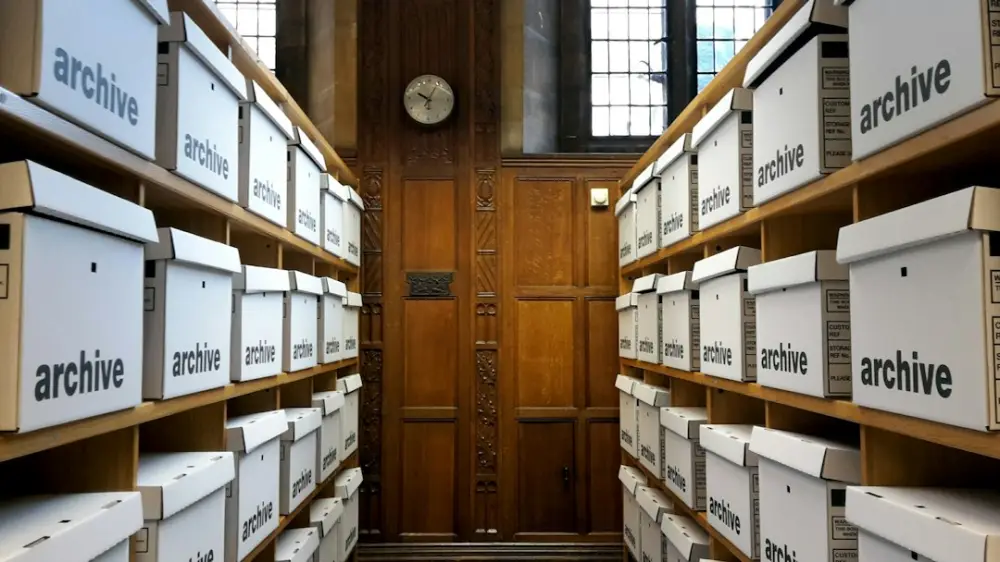
University collaboration in digital tourism history involves partnerships between higher education institutions and the travel sector to digitize and analyze historical records. These projects use advanced technology to preserve cultural heritage, creating digital repositories of travel data that inform modern tourism strategies while safeguarding the historical context of global destinations for future generations.
In 2026, academic institutions serve as the primary architects of data integrity within the digital tourism sector. Rather than simply acting as consultants, universities provide the methodological framework necessary to transform raw archival footage—such as early 2000s video of Antarctic penguin colonies—into structured, searchable data sets that researchers can use to track environmental and…
Primary Goals of Academic Tourism Partnerships
The foremost goal of these partnerships is the long-term stabilization of digital heritage assets. Unlike commercial media, which may be subject to platform obsolescence or shifting business priorities, academic repositories are designed for multi-decadal preservation. When a university partners with a media heritage project, they prioritize open-access formats and redundant storage systems to prevent the loss of unique travel records.
Another objective is the democratization of historical travel data. For example, a partnership between a marine biology department and a digital tourism archive might focus on making hydrophone recordings of whale songs accessible to the public. This allows high-school students or independent researchers to interact with primary source material that was previously locked behind paywalls or stored in inaccessible physical formats. These collaborations often result in curated exhibitions that explain the evolution of specific sites, such as the retreat of the Upsala Glacier, using comparative digital models from different eras.
Digital Tools for Preserving Travel Heritage
Preservation efforts in 2026 rely heavily on high-fidelity photogrammetry and Geographic Information Systems (GIS). These tools allow researchers to create "digital twins" of historical sites or natural environments. When universities apply these technologies to tourism history, they can reconstruct how a location appeared during its peak visitation period in the late 20th or early 21st century. This process involves stitching together thousands of legacy photographs and satellite images to create a navigable 3D environment.
Implementing digital interpretation for interactive heritage allows these institutions to overlay historical data onto modern VR experiences. For instance, a user exploring a virtual representation of a coastal heritage site can toggle between the 2026 view and a reconstructed 1998 view based on academic research. These tools also include AI-driven restoration software that can upscale low-resolution digital video from the early days of the internet, making it suitable for modern high-definition displays without introducing artificial artifacts that would compromise the historical accuracy of the footage.
Benefits of Research-Led Tourism Projects
Research-led projects offer a level of accuracy that purely commercial ventures often lack. When a history department oversees a digital tourism project, they ensure that the narrative presented to the public is grounded in peer-reviewed evidence. This prevents "historical drift," where digital recreations become more about entertainment than education. For example, a research-led project on the history of polar tourism will accurately represent the specific clothing, equipment, and vessel types used in 20th-century expeditions rather than using generic, modern assets.
There are also significant operational benefits for the organizations managing these archives. Utilizing shopify consulting: mapping legacy tourism platforms can help bridge the gap between academic repositories and public-facing storefronts or educational portals. By understanding the underlying architecture of how tourism data is sold and shared, universities can help design systems that are both commercially viable and academically sound. This ensures that the revenue generated from heritage tourism can be cycled back into further preservation efforts, creating a sustainable loop of research and public engagement.
LupaCorp’s Strategy for Academic Integration
Integrating academic findings into a practical heritage guide requires a focus on clarity and context. In 2026, the strategy centers on providing researchers and enthusiasts with a clear roadmap of how digital assets were sourced, verified, and preserved. This involves documenting the provenance of every whale sighting record, penguin population count, and glacier time-lapse sequence in the archive. By maintaining a transparent link between the raw data and the final digital experience, the guide ensures that the history of digital tourism remains a reliable resource for future generations.
First Steps for University Digital Heritage Projects
Researchers and students entering collaborative tourism archives should begin with provenance before presentation.
- Start by requesting the data dictionary from the lead university partner.
- First step: map each exhibit asset to its originating field survey or digitization batch.
- Next step: document licensing and attribution requirements in a shared README file.
- To begin publishing, pilot one short module with faculty review before the full virtual tour.
- Follow these steps each semester so Panoramium-linked records stay traceable for future classes.
For those navigating the complexities of virtual media heritage, this practical approach simplifies the transition from raw archival material to an immersive educational tool. As an editor at the Lupa Corp Heritage Guide, I focus on presenting these university-led insights in a format that is accessible to both professional researchers and curious observers. Our goal is to maintain the integrity of the Panoramium digital tourism legacy, ensuring that the records of whales, penguins, and glaciers from decades past continue to inform our understanding of the world today.