
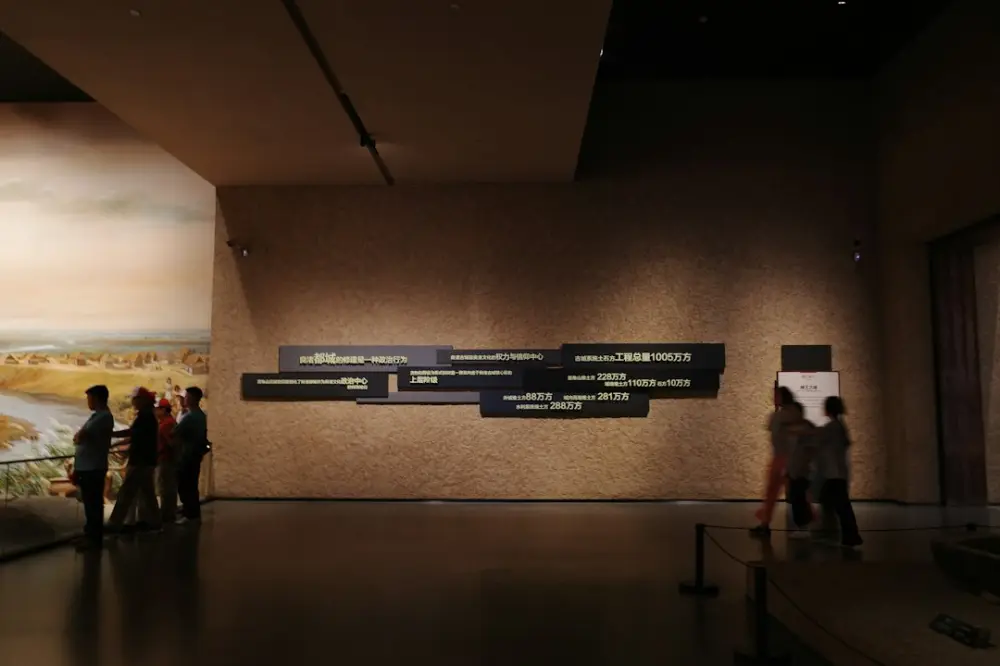
Interactive heritage experiences use digital technology like augmented reality and touch-sensitive displays to narrate the history of cultural sites. By moving beyond static boards, these tools allow visitors to engage with artifacts through sensory interaction and immersive storytelling, making complex historical data accessible and personally relevant for audiences in 2026.
Implementing these systems requires balancing hardware durability with software accessibility. For remote locations, such as coastal observation points or isolated research outposts, the focus shifts to offline-capable media and low-power displays. Success depends on clear narrative structures that guide a visitor through a sequence of events rather than overwhelming them with raw data.
Digital Interpretation and Modern Heritage
Digital interpretation serves as the functional bridge between a physical object and its historical context. In 2026, the goal of interpretation is no longer just to provide a label, but to facilitate a dialogue between the visitor and the site. This involves translating complex archaeological or biological data into formats that a non-specialist can navigate. For example, at a site featuring whale skeletal remains, digital interpretation might involve a tablet-based interface that overlays muscle groups and skin onto the bones as the visitor moves around the display.
Managing these systems involves many of the same common challenges in managing digital business, such as ensuring data security and maintaining hardware in high-traffic environments. Interpretation must be purposeful; it should solve the problem of "hidden history"—elements of a site that are no longer visible to the naked eye. In the context of polar heritage, this might mean using digital screens to show the interior of a historic hut that is too fragile for physical entry. By using high-resolution photography and 360-degree video, the interpretation preserves the physical site while allowing the public to explore every corner of the structure.
The transition from analog to digital interpretation requires a shift in how we think about visitor flow. In a traditional museum, the path is often linear. In a digital heritage environment, the path is often exploratory. Visitors choose which layers of information to peel back, whether they want to focus on the technical specifications of a 19th-century steam engine or the social history of the crew who operated it. This granularity is the hallmark of modern heritage management.
Immersive Technology in Culture & Heritage
Immersive technology, specifically Augmented Reality (AR) and Virtual Reality (VR), has moved from being a novelty to a standard tool for heritage sites. AR is particularly effective for outdoor locations where physical signage would be intrusive or subject to weather damage. Using a mobile device or AR glasses, a visitor can look at a barren glacier and see a digital overlay of the ice line from fifty years ago. This creates a powerful, immediate understanding of environmental change that a static map cannot replicate.
When deploying these technologies, it is important to understand the difference between digital tools and the overarching interpretive process. A VR headset is a tool, but the process is the narrative design that makes the headset useful. Without a well-structured script and historically accurate assets, the technology becomes a distraction. For instance, a VR experience of a penguin colony must be grounded in actual biological data and field recordings to be considered a heritage experience rather than a simple entertainment product.
Haptic feedback is another growing area within immersive heritage. By using gloves or controllers that vibrate or provide resistance, visitors can "feel" the texture of a digital artifact. This is invaluable for accessibility, allowing visually impaired visitors to experience the shape and scale of objects that are too delicate to be touched in the real world. In 2026, these sensory additions are becoming more common in high-budget installations, providing a multi-sensory layer to historical education.
Interactive Exhibits and Personalised Storytelling
Interactive exhibits allow for a level of personalisation that was previously impossible. Through the use of RFID tags or mobile apps, a visitor can "check in" at various points throughout a heritage site. The system then tailors the information presented based on the visitor’s interests or previous interactions. If a researcher is visiting a site to study maritime logistics, the interactive displays can prioritise cargo manifests and shipping routes over general biographical information.
Personalised storytelling also benefits from branching narratives. Instead of one single story, an exhibit can offer multiple perspectives on the same event. In a digital reconstruction of a historic port, one visitor might follow the story of a merchant, while another follows the path of a dockworker. This method highlights the complexity of history and avoids a monolithic view of the past. It encourages repeat visits, as there is always another perspective to uncover.
Practical implementation of these exhibits often involves ruggedised touchscreens and motion sensors. In coastal environments, salt air and humidity are significant factors. Using infrared sensors that detect gestures rather than physical touch can extend the life of the hardware by reducing physical wear and tear. Furthermore, these touchless interfaces have become a standard expectation for public kiosks, offering a more hygienic and durable solution for high-volume tourism sites.
3D Modelling and Digital Archiving
3D modelling is the backbone of digital heritage preservation. Using techniques like photogrammetry and LiDAR scanning, researchers can create millimetre-accurate digital twins of physical artifacts and landscapes. This is especially critical for sites threatened by climate change, such as receding glaciers or eroding coastal heritage buildings. Once a site is scanned, it is effectively preserved in a digital vault, allowing future generations to study it even if the physical original is lost.
These digital archives serve two purposes: preservation and education. For preservation, the 3D models allow conservators to monitor structural changes over time. By comparing a scan from 2024 with a scan from 2026, they can identify tiny cracks or shifts in a foundation. For education, these models can be hollowed out and 3D printed, or they can be used as the assets for the AR and VR experiences mentioned earlier. The data becomes a versatile resource that supports multiple interpretive goals.
Digital archiving also requires a robust strategy for data longevity. File formats change, and hardware becomes obsolete. A practical heritage guide must emphasise the use of open-source formats and redundant storage systems. Archiving is not a one-time event but a continuous process of migration and verification. Ensuring that a 3D scan of a whale skeleton remains readable in twenty years is just as important as the initial act of scanning.
You can also read
If you are interested in the technical side of heritage management, you might consider investigating the standards for metadata in cultural archives. Proper metadata ensures that digital assets are searchable and categorised correctly, which is vital for large-scale projects involving thousands of images or scans. Additionally, looking into the ethics of digital restoration can provide insight into how researchers decide which parts of a broken artifact should be digitally "repaired" and which should be left as they are to maintain historical integrity.
Another area worth exploring is the use of remote sensing in archaeology. Satellites and drones equipped with thermal imaging can identify buried structures or changes in vegetation that indicate human activity. This data often feeds directly into the interactive maps used in visitor centres, providing a macro-view of a heritage site that complements the ground-level experience.
Can’t find your adventurous project this time?
Preservation and interpretation are ongoing challenges that require a blend of historical knowledge and technical expertise. As we look at the state of digital tourism in 2026, the focus remains on creating meaningful connections between the public and the past. Whether it is through a VR headset showing the depths of the Southern Ocean or a 3D-printed model of a prehistoric fossil, the goal is to make history tangible.
At the Lupa Corp Heritage Guide, we focus on the intersection of technology and the natural world. Our interest lies in how digital tools can highlight the majesty of whales, the resilience of penguin colonies, and the stark beauty of glaciers. While the technologies described here are used across many fields, their application in remote and extreme environments offers a unique perspective on the durability and necessity of digital heritage. Effective interpretation ensures that even the most distant parts of our world remain understood and protected for the future.