
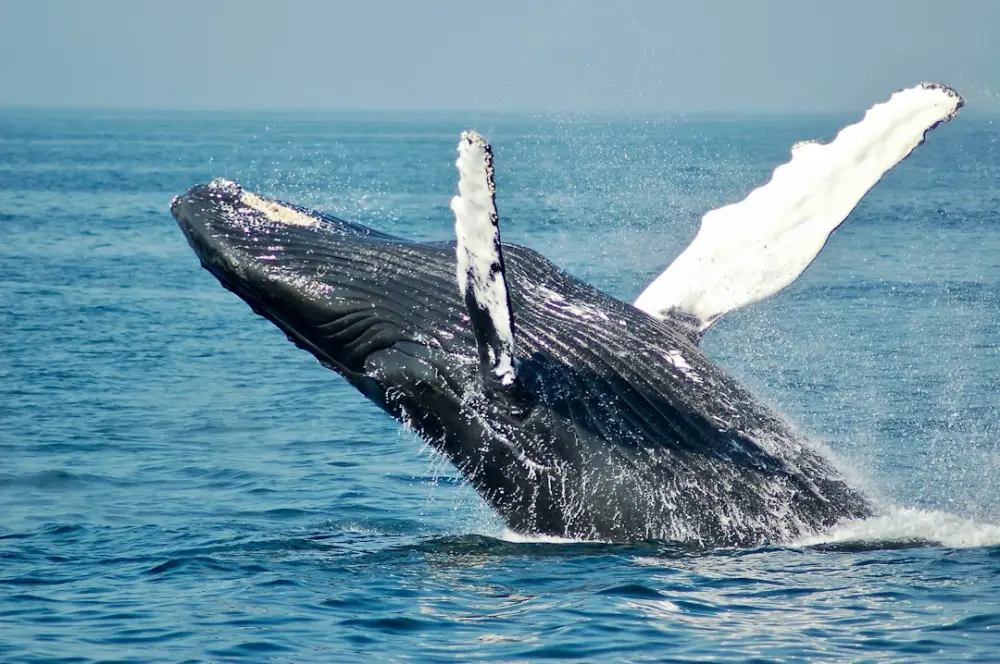
Historical virtual whale experiences are digital simulations or reconstructions—such as VR, 360-degree video, or 3D scans—that allow users to interact with marine life and maritime history. These experiences range from digital archives of 19th-century whaling voyages to modern 8K underwater tours, providing immersive educational tools without the need for physical ocean travel.
In 2026, these digital assets serve as vital records for both environmental researchers and cultural historians. By accessing high-fidelity reconstructions of marine environments from previous decades, users can observe how digital representation has shifted from simple polygon models to the complex, data-driven simulations used in modern maritime heritage projects. The journey of virtual whale…
How digital whale simulations work
Modern virtual whale experiences rely on a combination of underwater photogrammetry, hydrophone audio recordings, and motion-capture data. To create a realistic simulation, researchers deploy 8K camera arrays that capture a 360-degree view of the water column. This raw data is then processed through specialized software to remove the "blue haze" of the ocean, restoring natural colors and clarity that the human eye might miss in person. When these assets are cataloged, understanding digital workflows and their role in data management is essential for ensuring the files remain accessible for future hardware.
Spatial audio is equally important. Hydrophones (underwater microphones) record the low-frequency clicks and songs of different whale pods. In a virtual environment, these sounds are mapped to 3D coordinates. As a user moves their head or navigates through a virtual ocean, the audio shifts in volume and pitch, mimicking the way sound travels through water. This creates a sense of presence that static audio cannot replicate.
AI-driven behavioral modeling is the newest layer in these simulations. Rather than following a fixed animation loop, a digital whale in a 2026 simulation might react to the user’s proximity or mimic the migration patterns recorded by satellite tagging. This data-heavy approach ensures that the experience is an accurate reflection of biological history rather than just an artistic interpretation.
Key milestones in marine VR and 3D modeling
Several landmark projects have defined the current state of virtual marine heritage. The 2018 "Smithsonian Whale 3D" project was a major milestone, where a complete skeleton of a North Atlantic right whale was digitized using high-resolution laser scanning. This allowed researchers worldwide to examine bone structures without touching the fragile physical specimen. It set a precedent for how maritime museums could share their collections globally.
Another significant milestone was the 2022 "Great Whale Archive," which combined historical whaling logs from the 1800s with modern migratory data. This project created a time-lapse VR experience where users could see the decline and recovery of whale populations over two centuries. It used digital interpretation for interactive heritage to turn dry statistical data into a visual narrative that a general audience could understand.
- 2016: Release of theBlu, demonstrating the power of scale in VR.
- 2019: National Geographic’s 360-degree "Whale Watch" series brings high-seas cinematography to mobile headsets.
- 2023: Implementation of haptic feedback suits in museum installations, allowing users to "feel" the vibration of a whale song.
- 2025: The first full-scale digital twin of a marine protected area is opened for virtual tourism.
Where to find historical ocean tours
Finding high-quality historical whale experiences requires looking toward specialized digital repositories and university-led initiatives. Many of the best experiences are hosted by maritime museums that have transitioned their physical archives into the digital realm. For example, the New Bedford Whaling Museum offers digital walkthroughs that pair 3D-scanned artifacts with virtual recreations of the open sea as it appeared in the 19th century.
Online platforms like Google Arts & Culture have partnered with organizations like the NOAA (National Oceanic and Atmospheric Administration) to host 360-degree tours of marine sanctuaries. These are accessible via standard web browsers, making them a practical entry point for those without high-end VR hardware. For researchers, the "Open Ocean Data Portal" provides raw 3D models and spatial audio files that can be imported into various simulation engines for study.
Educational institutions also maintain private archives of virtual field trips. These often include "heritage dives" where the focus is on a specific shipwreck or a historically significant pod of whales. These tours are frequently updated to reflect new findings in marine archaeology, ensuring the virtual environment remains a living document of the ocean's history.
LupaCorp and the future of virtual discovery
The future of virtual whale experiences lies in the integration of real-time environmental data with historical archives. As we move further into 2026, the distinction between a "recorded" experience and a "live" digital twin is blurring. Users can now access panoramium feeds that overlay historical population maps onto live underwater camera views, providing a direct comparison between the past and the present. This level of detail is necessary for meaningful digital tourism, where the goal is to foster a deeper understanding of maritime heritage.
For the digital tourist, this means experiences are becoming more personalized. You can choose to follow the specific path of a whale tagged in 1998 or explore a 3D reconstruction of a glacial bay as it looked before significant melt occurred. These tools are no longer just for entertainment; they are essential instruments for conservation and education. By documenting these technological shifts and the assets they produce,
How digital whale simulations work in practice
Workflows blend photogrammetry meshes, hydrophone tracks, and behavioral AI overlays: cameras or archival footage become 3D surfaces, audio cues sync to movement paths, and scripted state machines trigger breach or pod-formation animations visitors see in the tour.
Each scene exports from a single timeline so educators can swap scientific annotations without rebuilding the mesh—how the virtual experience stays tied to field data.
First steps to explore historical ocean tours
Visitors new to virtual whaling heritage can start with accredited archives before immersive apps.
- Start by browsing the New Bedford Whaling Museum digital catalog for logbook scans.
- First step: open Google Arts & Culture exhibits that link to documented voyages.
- Next step: compare one archival map with a modern simulation to see which routes match.
- To begin a classroom module, pair one primary-source diary page with a short VR clip.
- Follow these steps to distinguish curated heritage tours from entertainment-only replicas.